Weight Lifting Logbook: Your Ultimate Training Companion
A Weight Lifting Logbook is an essential tool for anyone serious about their fitness journey. Whether you're a beginner just starting out or a seasoned professional, keeping track of your workouts can significantly enhance your progress and help you achieve your goals more efficiently.
Why You Need a Weight Lifting Logbook
Maintaining a Weight Lifting Logbook allows you to record and review your exercises, weights, sets, and reps. This detailed tracking helps you identify patterns, set realistic goals, and make necessary adjustments to your routine. It's not just about writing down numbers; it's about understanding your body's response and optimizing your training regimen.
Not Customizing Your Logbook
One of the most common mistakes is using a generic logbook that doesn't fit your specific needs. A one-size-fits-all approach can lead to missed opportunities for personalization. For instance, if you focus on powerlifting, you might need different tracking metrics compared to someone who focuses on bodybuilding. The Editable Weight Lifting Logbook for KDP platform is designed to be flexible, allowing you to add and remove inserts as needed, ensuring it perfectly aligns with your training style.
Neglecting to Update Regularly
Consistency is key in any fitness journey. Failing to update your logbook regularly can result in a lack of data, making it difficult to track your progress and make informed decisions. Make it a habit to log your workouts immediately after each session. This way, you won't miss any important details, and your logbook will always be up-to-date and useful.
Ignoring the Importance of Quality and Format
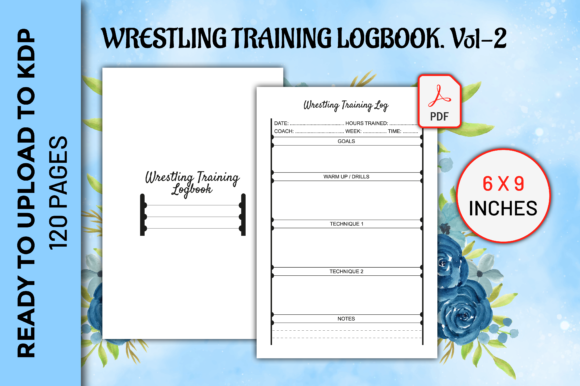
The quality and format of your logbook can greatly impact its usability. A poorly formatted logbook can be frustrating to use and may even discourage you from maintaining it. The Weight Lifting Logbook available in PDF, PowerPoint, and JPG formats is high-quality and professionally designed. It comes in a standard 8.5” x 11” size, with 100 pages, and is ready to upload to KDP. The no-bleed, high-quality art ensures that your logbook looks professional and is easy to read and use.
Set Clear Goals and Track Progress
Before you start using your logbook, define clear, achievable goals. Whether it's increasing your bench press by 10 pounds or improving your form, having specific objectives will help you stay focused. Regularly review your logbook to see how close you are to achieving these goals and make adjustments as necessary.
Use Visual Aids and Notes
In addition to numerical data, include visual aids and notes in your logbook. Sketches of your form, diagrams of muscle groups, and motivational quotes can all be valuable additions. These elements can provide a more comprehensive view of your training and help you stay motivated.
Stay Consistent and Patient
Building strength and muscle takes time and consistency. Don't get discouraged if you don't see immediate results. Use your logbook to track your long-term progress and celebrate small victories along the way. Consistency is key, and your logbook will be a testament to your dedication and hard work.
What to Check Before Making a Decision
- Format and Compatibility: Ensure the logbook is available in the formats you need (PDF, PowerPoint, JPG) and is compatible with your devices and software.
- Customizability: Check if the logbook is editable and can be customized to fit your specific training needs.
- Quality and Design: Look for high-quality, professionally designed logbooks with clear and easy-to-read layouts.
- User Reviews and Feedback: Read reviews from other users to get an idea of the logbook's effectiveness and reliability.
By avoiding these common mistakes and following the practical advice outlined above, you can maximize the benefits of your Weight Lifting Logbook. Remember, the key to success is consistency, personalization, and a well-structured plan. Happy lifting!